
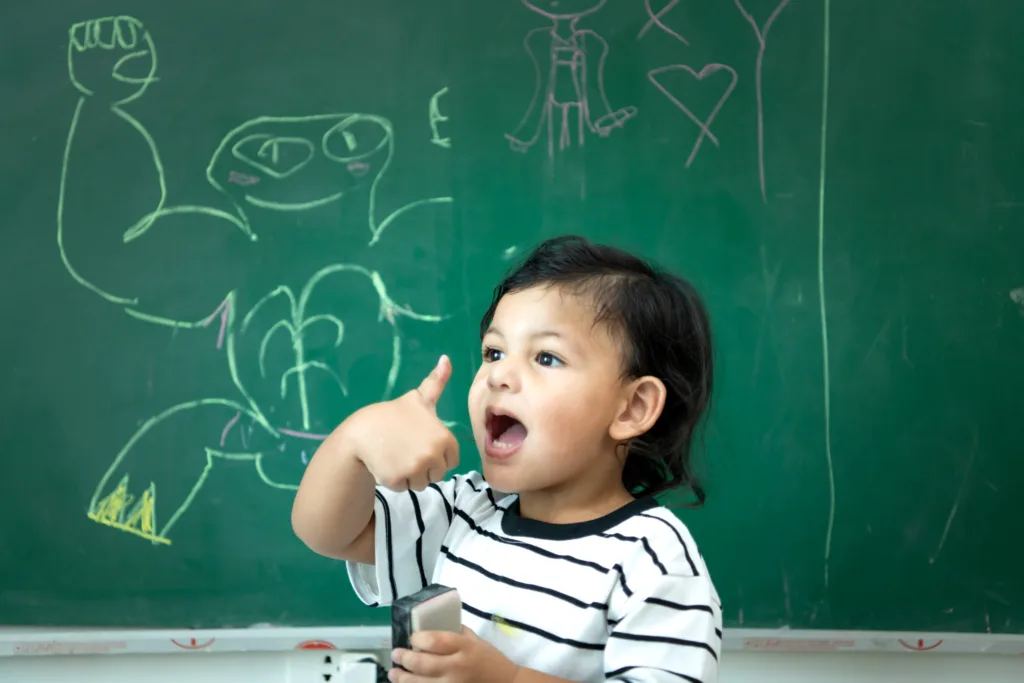
NO MORE TEARS: Helping Toddlers Settle in School
A gentle guide for parents navigating the first days of playschool
Starting playschool is a big milestone—and one that often comes with tears, tantrums, and anxious goodbyes. Whether your child is starting school for the very first time or returning after a break, the transition can feel overwhelming.
For toddlers, separation anxiety is developmentally normal. They may not have the words to express what they’re feeling, so they show it through crying, clinging, or refusing to enter the classroom.
But the good news is—with the right support, structure, and patience, most children do settle. Here’s how you can gently help your little one through this phase.
Prepare Emotionally — Not Just Practically
While most parents focus on school bags, snacks, and labels—but emotional preparation is just as important. At times, parents may attempt to talk about emotions, but may struggle to find the right words. Here are a few tips:
- Talk about school positively: “School is a fun place where you’ll play, sing, and make friends.”
- Use simple routines at home that mimic school life—fixed mealtimes, story time, clean-up songs.
- Read toddler books about school (e.g., Llama Llama Misses Mama, or ‘Tania Smiles at School‘, that is created by our psychologist! )
- Role-play school with stuffed toys or dolls to make it familiar.
Practice Short & Predictable Goodbyes (No Sneaking Out!)
It’s tempting to leave quietly while your child is distracted, but sneaking away can actually increase separation anxiety and break trust.
Instead, create a short, loving goodbye ritual. Keep it consistent every day: the same phrases, the same drop-off spot, the same quick exit.
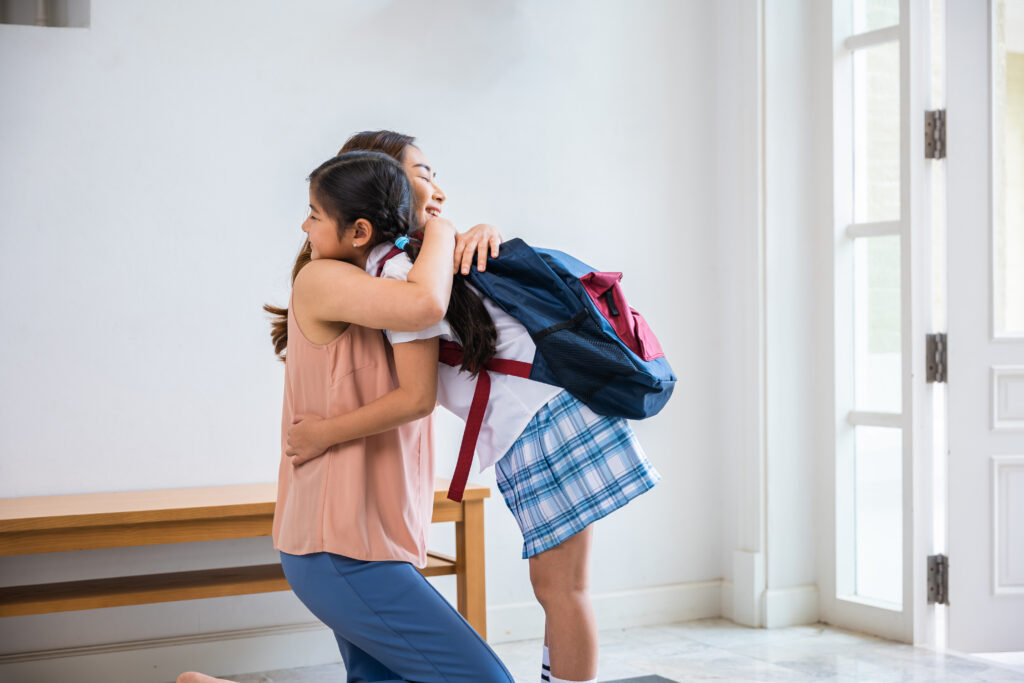
Keep Drop-Offs Calm, Confident & Brief
Your toddler watches your face for cues. If you look anxious or unsure, they’ll feel unsafe. Even if you’re struggling on the inside, try to:
- Smile warmly and speak calmly.
- Trust the teacher to handle the tears and avoid lingering at the gate.
- Instead of saying: “Don’t cry”… Say: “It’s okay to feel sad. You’ll have a fun day, and I’ll see you soon!”
Offer a Transitional Object
A transitional object is something that reminds the child of home and is a source of comfort while the child is away from familiarity. It can be a family photo, a toy if allowed or even a special button! Whatever helps the child feel comfortable.
Give it a name or meaning: “This is your Strong Button! It stays in your pocket till I pick you up.”
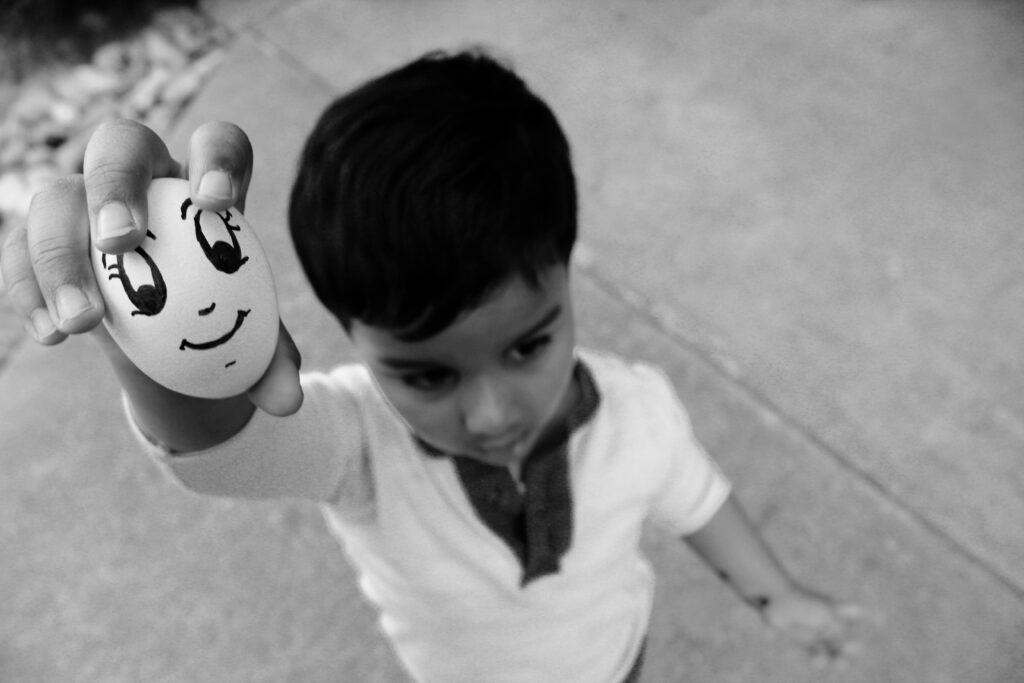
Focus on Reconnection After School—Not Performance
Many parents immediately ask: “Did you cry?” or “Were you a good girl today?” Avoid too many questions—they may be overwhelmed.
Instead, shift focus to emotional safety with comments (not questions), Greet them with joy: “I’m so happy to see you! I want a big hug”
Over time, they’ll share more when they feel regulated and safe.
Remember, each child is different, some children settle in 3 days, others take 3–4 weeks.
If crying is inconsolable and persists beyond 4 weeks, consult a child psychologist to rule out adjustment difficulties or underlying anxiety.
The Goal Isn’t “No Tears” — It’s Emotional Safety
The goal isn’t zero tears—it’s helping your child feel safe and loved even when you’re not physically there. Remember, crying is temporary, but with this routine we are creating lasting skills.
This is a transition for you, too and you are not alone💛