
Everything TOYS!
5 Best Toys to Play Smarter with Your Newborn
5 Types of Toys I DO NOT Recommend as a Child Psychologist
As parents, we often want to give our children the best of everything—especially when it comes to toys. Bright, musical, high-tech, and trendy? Feels like a win. But as a child psychologist, I’ve come to notice that not all toys support your child’s development—some can even hinder it.
Do NOT purchase that toy only because:
Apart from these reasons, there are 5 categories of toys that I DO NOT recommend as a child psychologist, read on to know why:
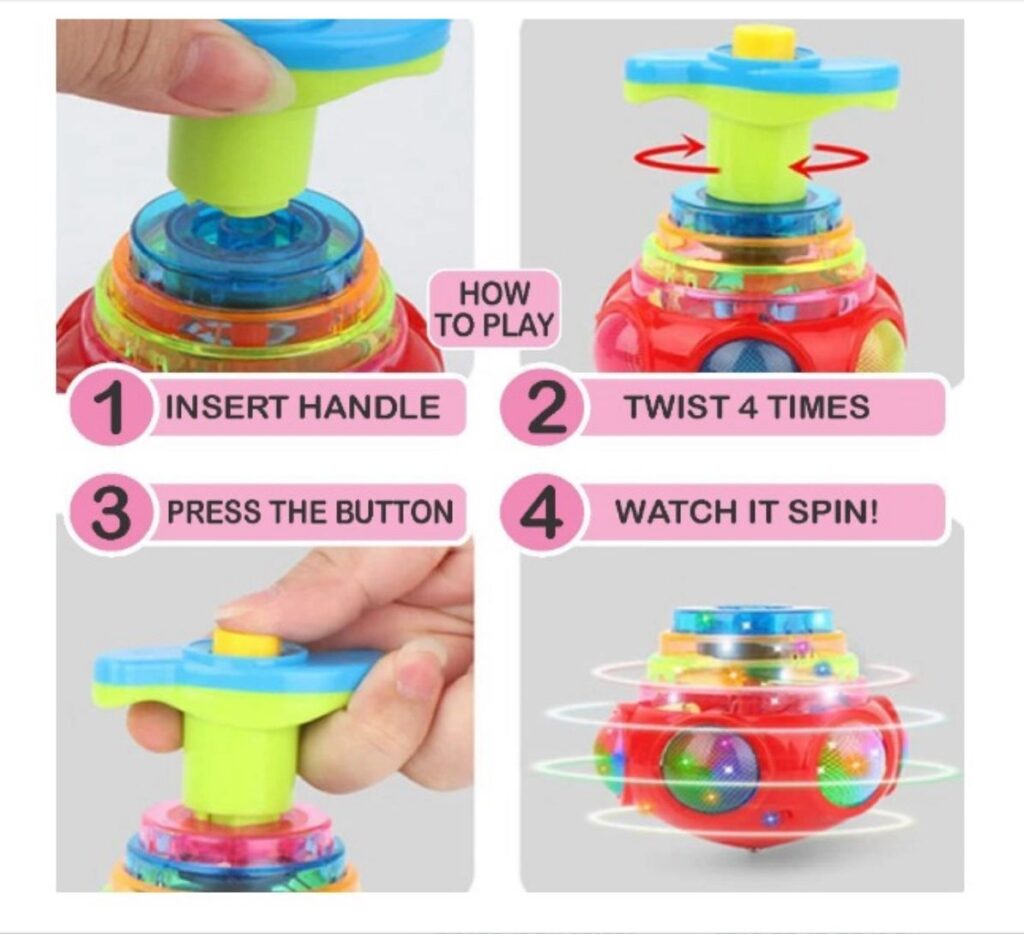
We have always seen these toys, stopped in our tracks to see them again—the flashing lights, constant music, buttons that do it all.
Why I don’t recommend them:
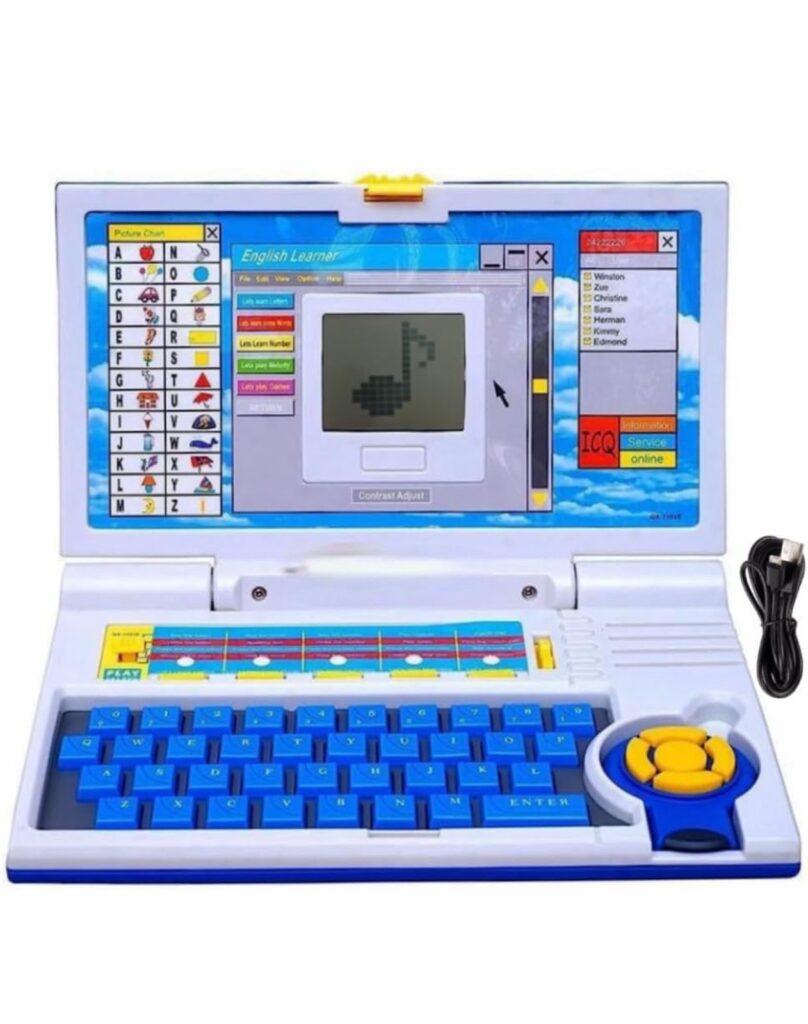
Whether it’s an educational tablet, a talking book with a screen, or a “learning app” for toddlers—screen-based toys are not complete play for a child. WHO has issued guidelines for permissible screen time according to age. While some screen in moderation is okay, adhere to the guidelines for a more cautious and holistic development.
Why I don’t recommend them (especially under age 5):
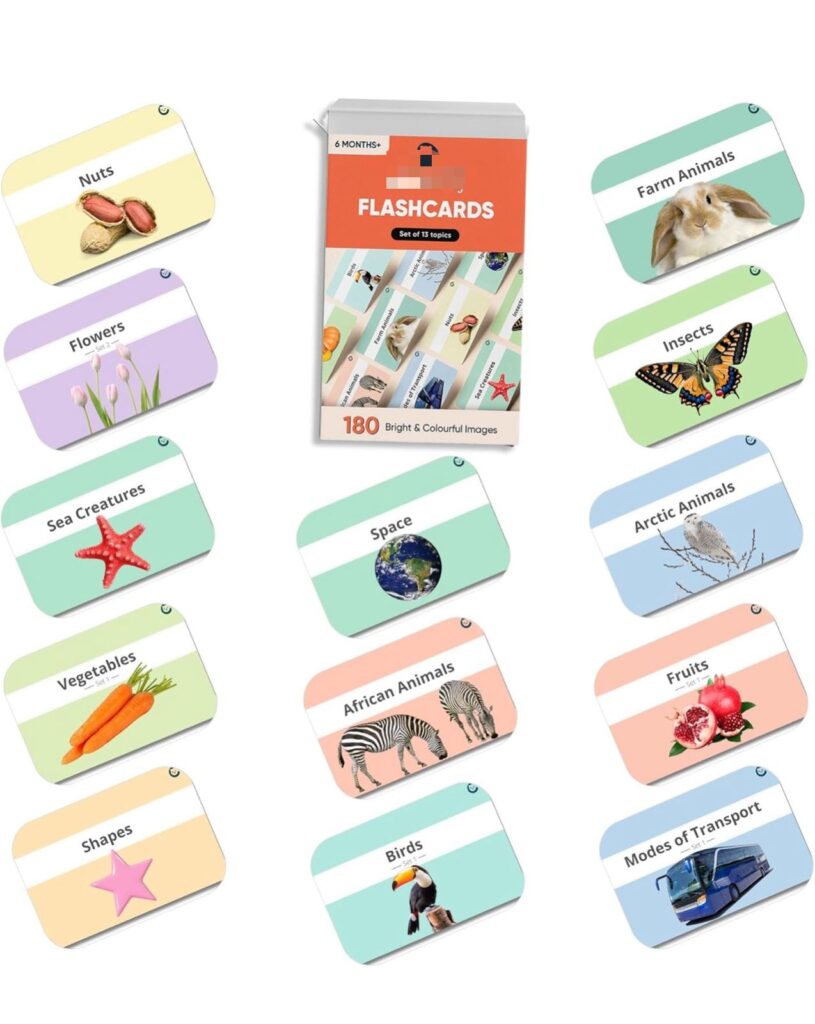
Think of toys that have you can only play in one way, not much to do with them. For example, quiz-style toys, flashcards, and even some learning games that offer only yes/no feedback. Remember, flash cards are for absolutely great learning time, however, a child cannot ‘play’ with them.
Why I don’t recommend them:
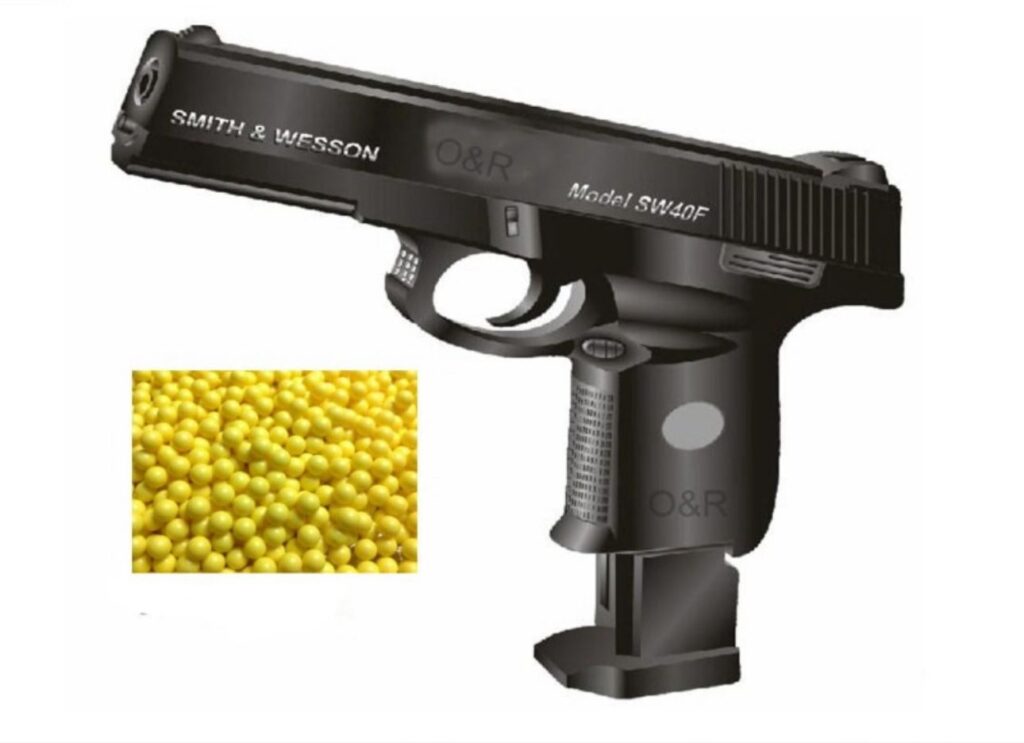
Toy guns, swords, or figures that promote violence—even in fantasy—can subtly influence how children express anger or frustration. Ofcourse, completely doing away with such toys is also not practical or encouraged, but one should be mindful of heightened emotions while using these toys.
Why I don’t recommend them:
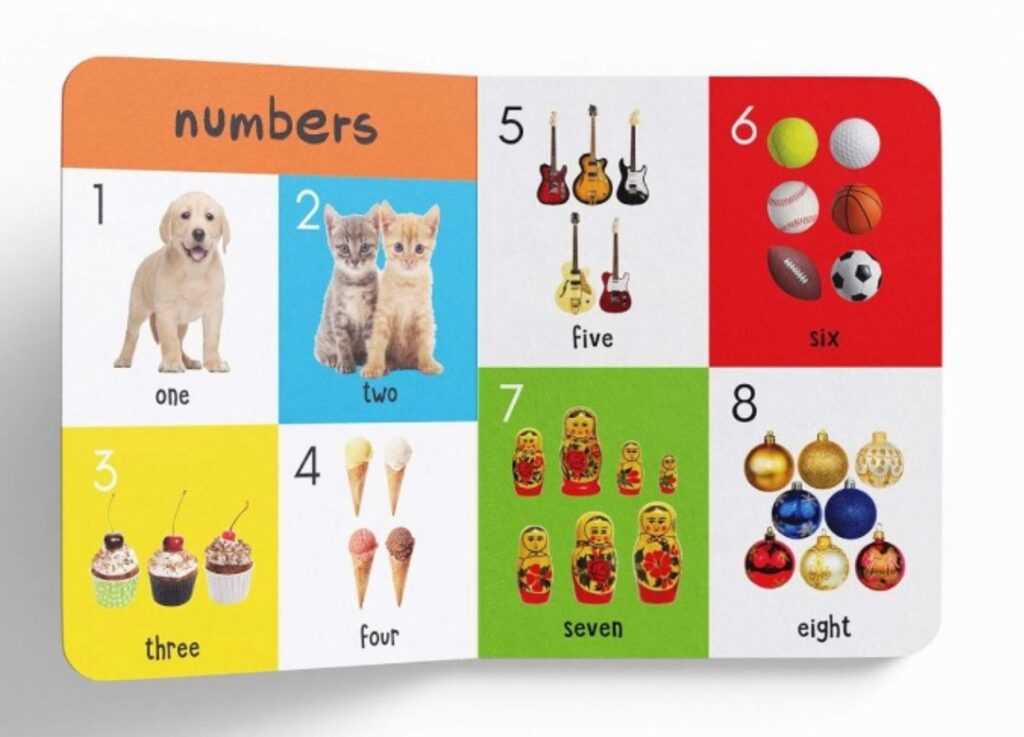
While books are a great way to boost a child’s learning, books are supposed to be age appropriate. Textured, sensory books and SINGLE picture books are good for younger ones, however, if there is more than a single picture/too much text in a book, then it is not good for younger ones who are just starting to learn or look at books.
Why I don’t recommend them:
Remember every toy may look attractive, or may have its claims, but choose wisely to see which toy is best for your child! You don’t need a house full of toys—just a few good ones that help your child play and learn!